BTS from a Lighting Workshop - Marse Studios (from a gaffer’s point of view)
THE INTRO
Over the past year, I’ve had the pleasure of working as the Gaffer and Digi for Julia Marse’s bi-monthly photography workshops at Marse Studios in East London.
Julia is an international photographer and educator who has coached over 10,000 students worldwide. Her sessions at Stratford Workshops are designed to give emerging photographers and filmmakers hands-on experience with professional lighting in a supportive, low-pressure environment.
In this post, I’m breaking down how these workshops are structured, my specific role on set, and the technical approach we take to keep setups flexible, reliable, and accessible for creators at every stage of their career.
My role at these workshops goes beyond rigging; I straddle the lines of Gaffer and Digital Technician. Once the lights are set, I’m often found troubleshooting camera settings with students—a skill sharpened by my time at Wex Photo Video as a Sales Consultant, which gave me "omni-brand" experience across almost every camera system on the market.

THE FORMAT

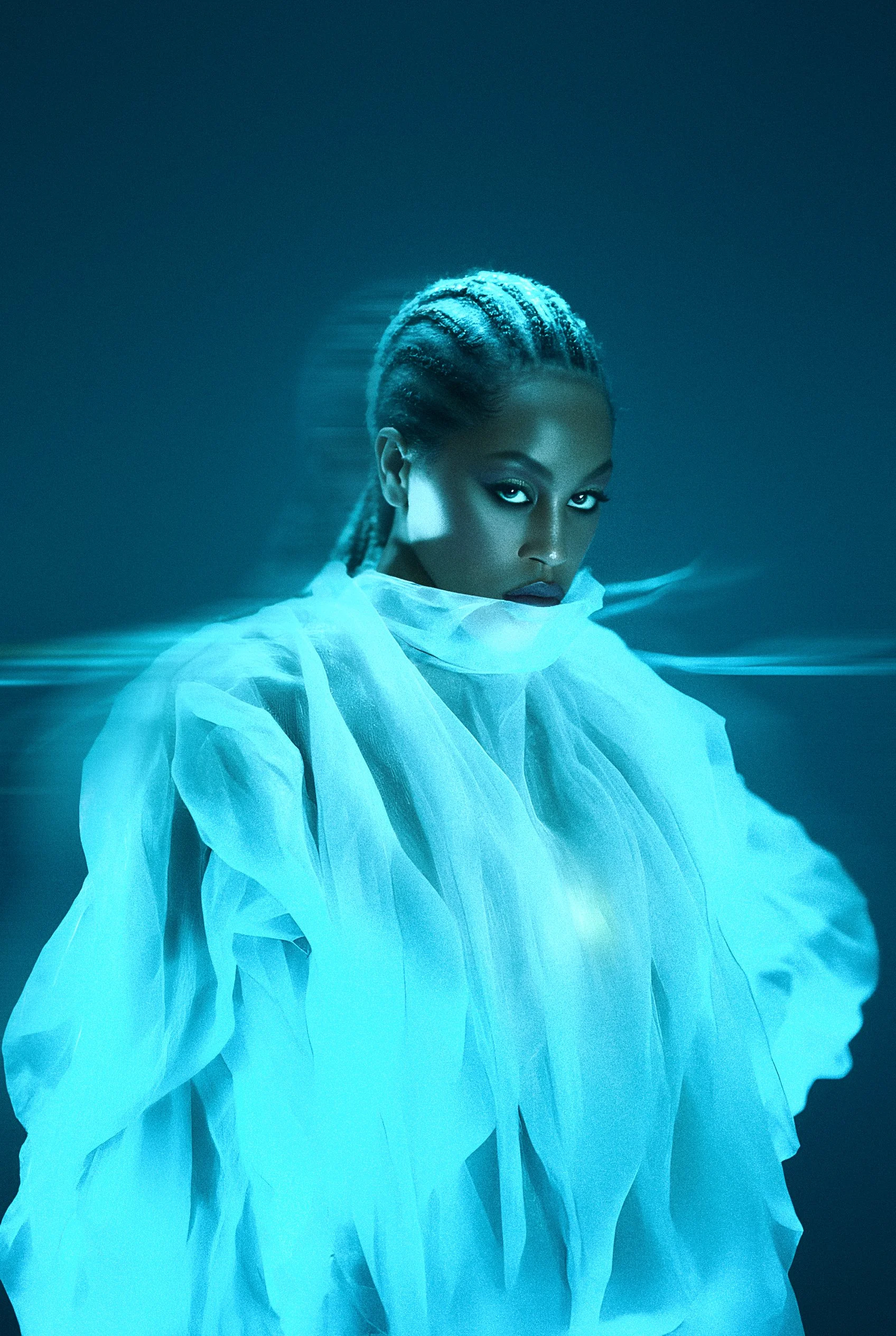
The day kicks off with a focus on styling and make-up, giving students a chance to explore the "ins and outs" of the preparation process. This initial window allows the group to observe the transformation behind the scenes before we dive into Julia’s presentation on the fundamentals, the day’s structure, and the business of photography.
While the students are engaged in the seminar, I am busy behind the scenes—rigging the initial lighting setups and ensuring the digital workstation is powered and ready to go. While Julia covers the theory, I’m translating those concepts into a physical environment basedon the day’s brief. I’m prep-rigging the modifiers to ensure that when the students walk onto the floor, the transition from hearing to doing is seamless. It’s about creating a live lab where the technical hurdles are already cleared.
On the digital side, I’m not just managing cables. I’m setting up the tethering station to ensure every student can see the work in high resolution immediately. This instant feedback loop is important for turning every frame into a knowledge transfer opportunity as it allows discussion of colour accuracy, focus, and composition in real-time. For instance, how a 5-degree shift in a light’s angle or a subtle change in exposure or white balance will affect the image. Our chosen software is Capture One.
By the time the presentation wraps, the first models are usually ready to step onto set. This is the exciting moment where practical knowledge is absorbed.
Below is a BTS video showing how the day unfolds from my perspective as a Gaffer and Digi:
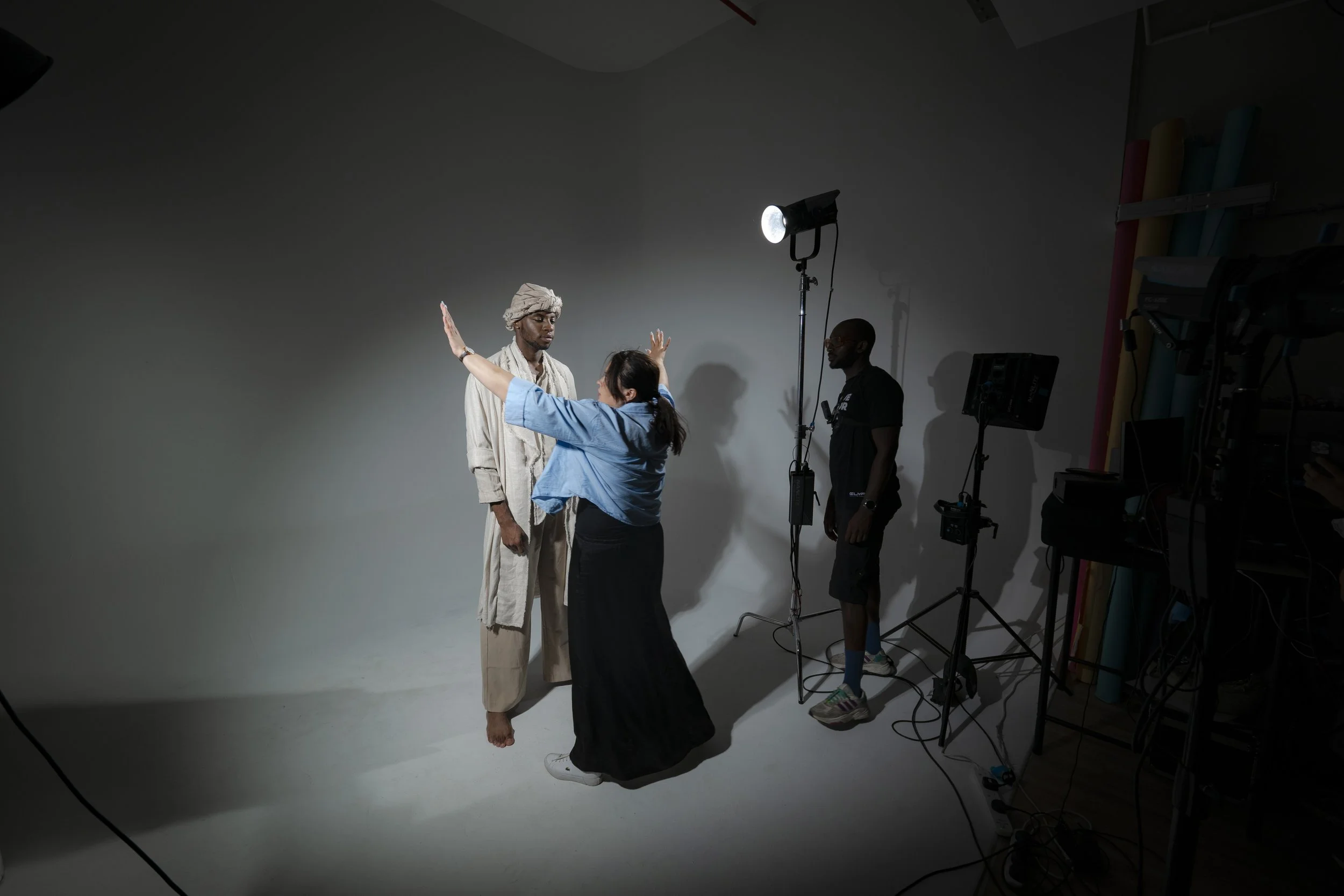
Julia explaining what is happening with the lighting and why we used a standard reflector for the modifer.
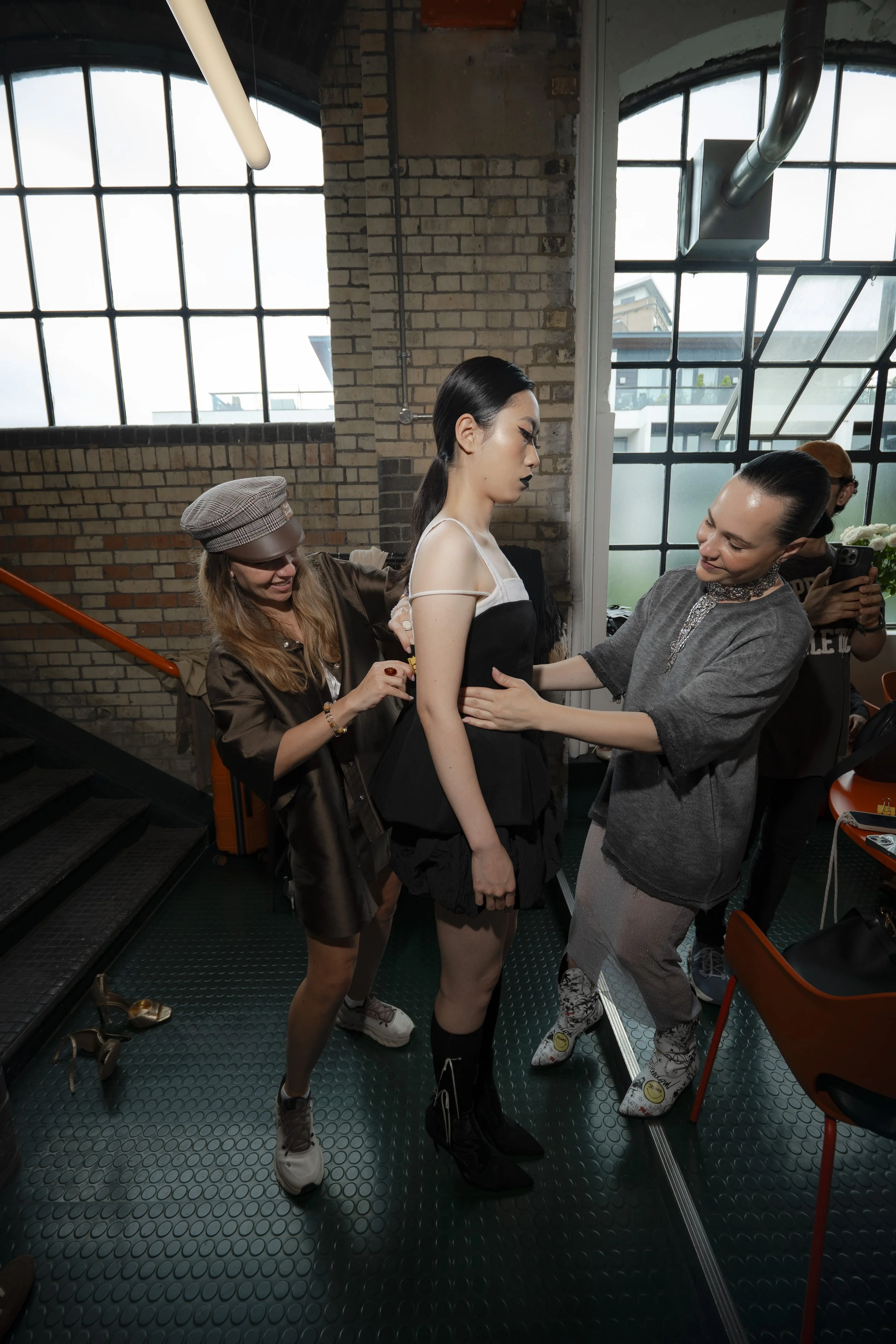
Wardrope and styling team working thier magic.
THE GEAR
While the workshops are brand-agnostic—students are welcome to bring anything from a vintage film camera to the latest mirrorless system—we maintain a high standard for our lighting kit. We rely on a consistent, high-performance mix of Nanlite LEDs and Profoto D3 and D1 studio heads.
This hybrid approach allows us to teach both continuous Light (essential for the growing demand for video) and flash (the backbone of high-end editorial photography).
My Go-To Units from Nanlite:
FC-500C: An RGBW powerhouse. It’s an absolute banger of a light when you consider the power-to-weight ratio. I often use this as our "Sun" or primary key light because it can easily overpower ambient light while giving us full colour control.
FS-300: This bi-colour unit is our workhorse. It’s impressively light since it doesn't require an external power ballast, making it easy to boom overhead without needing a massive grip team.
FC-120C: Compact and punchy. This is my favourite for adding a subtle hair light or a splash of colour in a tight corner. The wireless control via the Nanlink app means I can make adjustments from the tethering station without walking onto the set.
PavoSlim 60C: This RGBWW flat panel is a game-changer for portraits. It’s thin enough to hide in places a traditional head won't fit, and the DMX options allow for precise control during complex sequences.
PavoTube II 30C: With a CRI of 98, these tubes are perfect for adding clean, linear reflections or creative practicals in the background.
All these units feature built-in wireless control for remote operation over 2.4 GHz or Bluetooth. For modifiers, my personal favourites are the stripbox, the lantern, and the umbrellas. For specialised setups, the projection attachments for the larger units and the FM mount for the 120C offer unrivalled light shaping and cutting
Shaping the Light
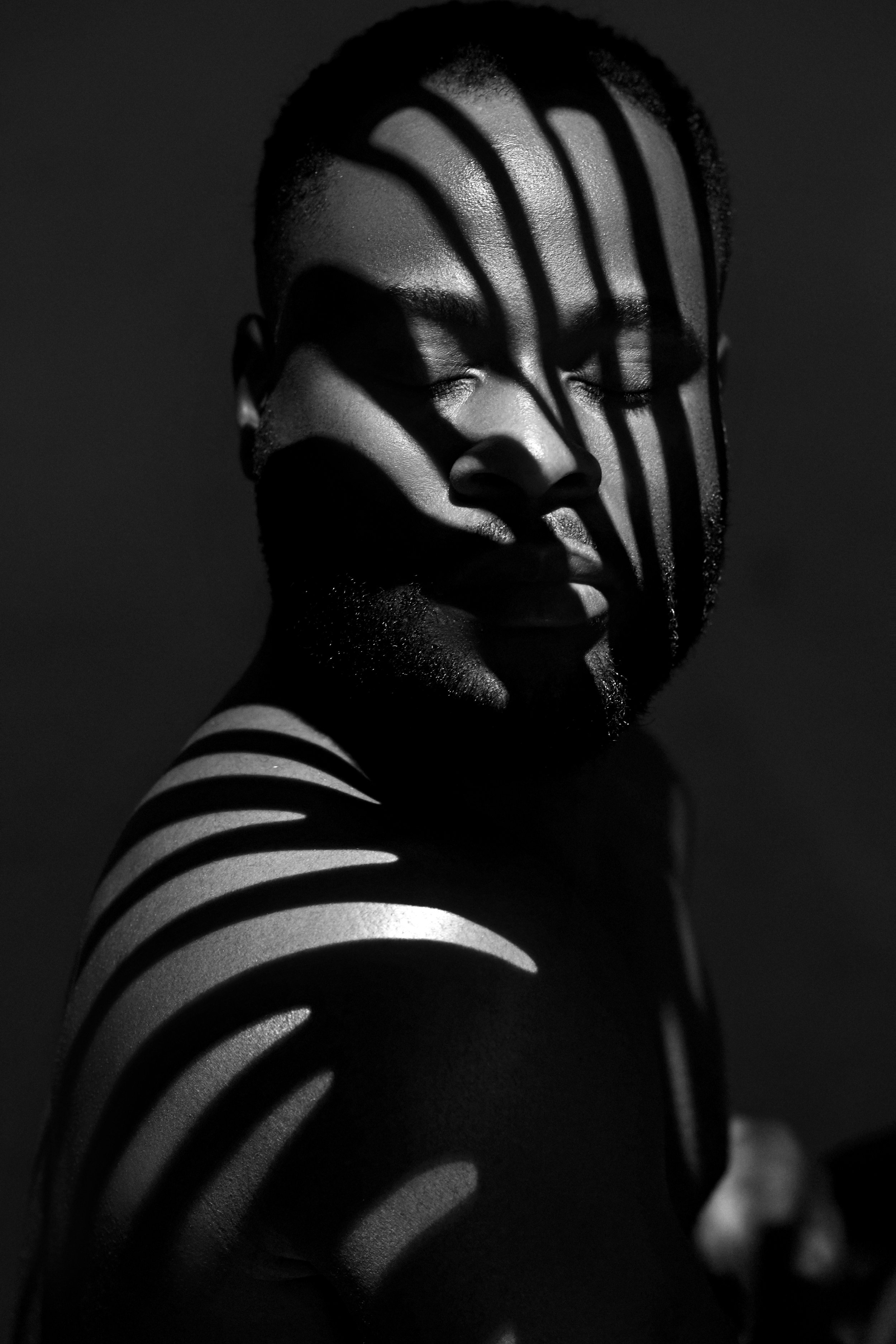
A light is only as good as the modifier attached to it. For our workshop setups, I lean on three staples:
The Lantern: My go-to for a soft, natural, omnidirectional glow that mimics a room's overhead light.
The Octa (Octabox): My absolute favourite for portraits. It creates a soft, wrap-around light that is incredibly flattering on skin, and it provides a natural-looking circular catchlight in the subject's eyes.
Umbrellas: Often underrated, but they provide a beautiful, expansive light that is very forgiving for students just starting to learn about fall-off.
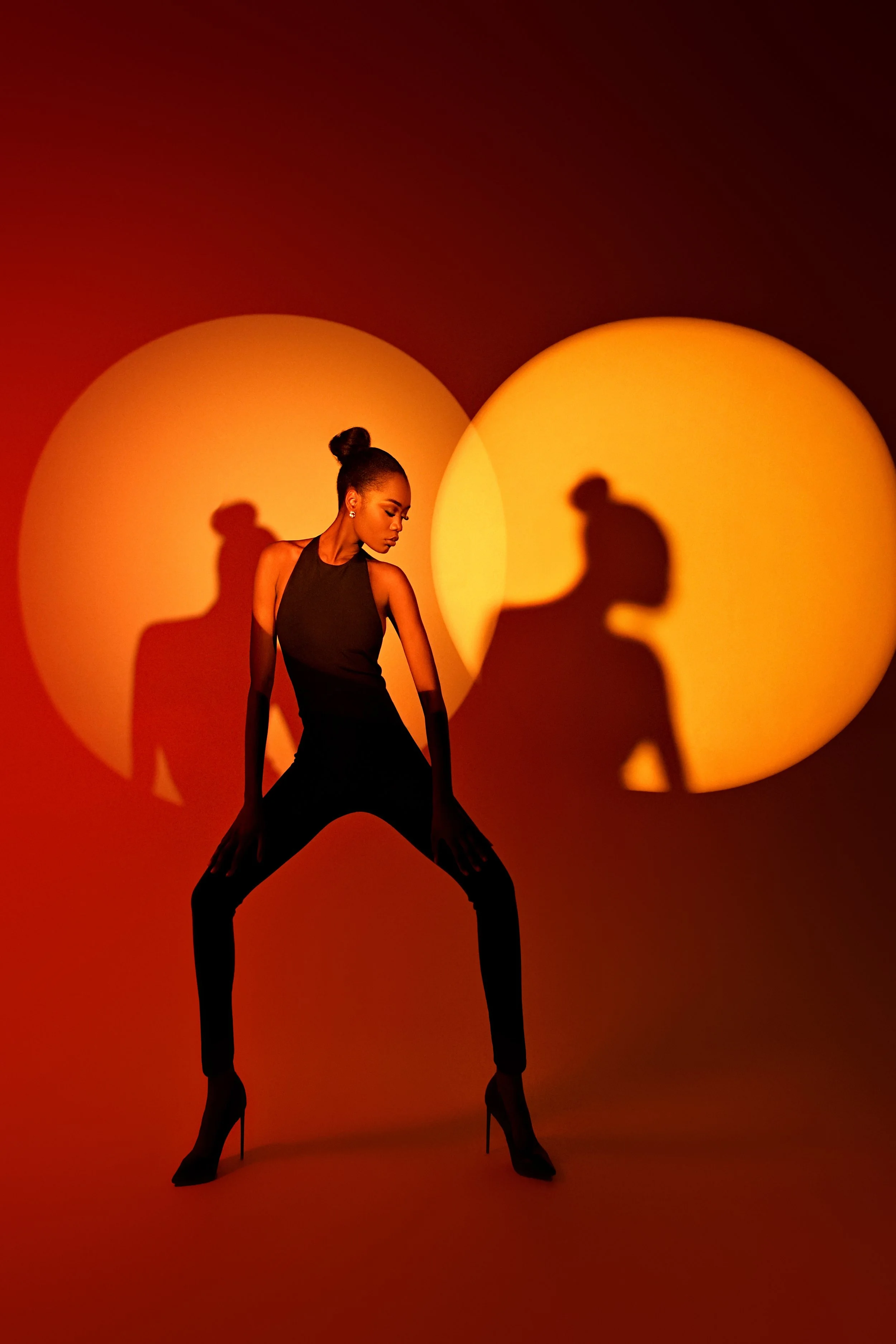
Pro Tip: For specialised editorial looks, we use Projection Attachments. These allow us to "cut" light with surgical precision or project patterns (gobos) onto the background, instantly turning a simple studio wall into something with depth and texture


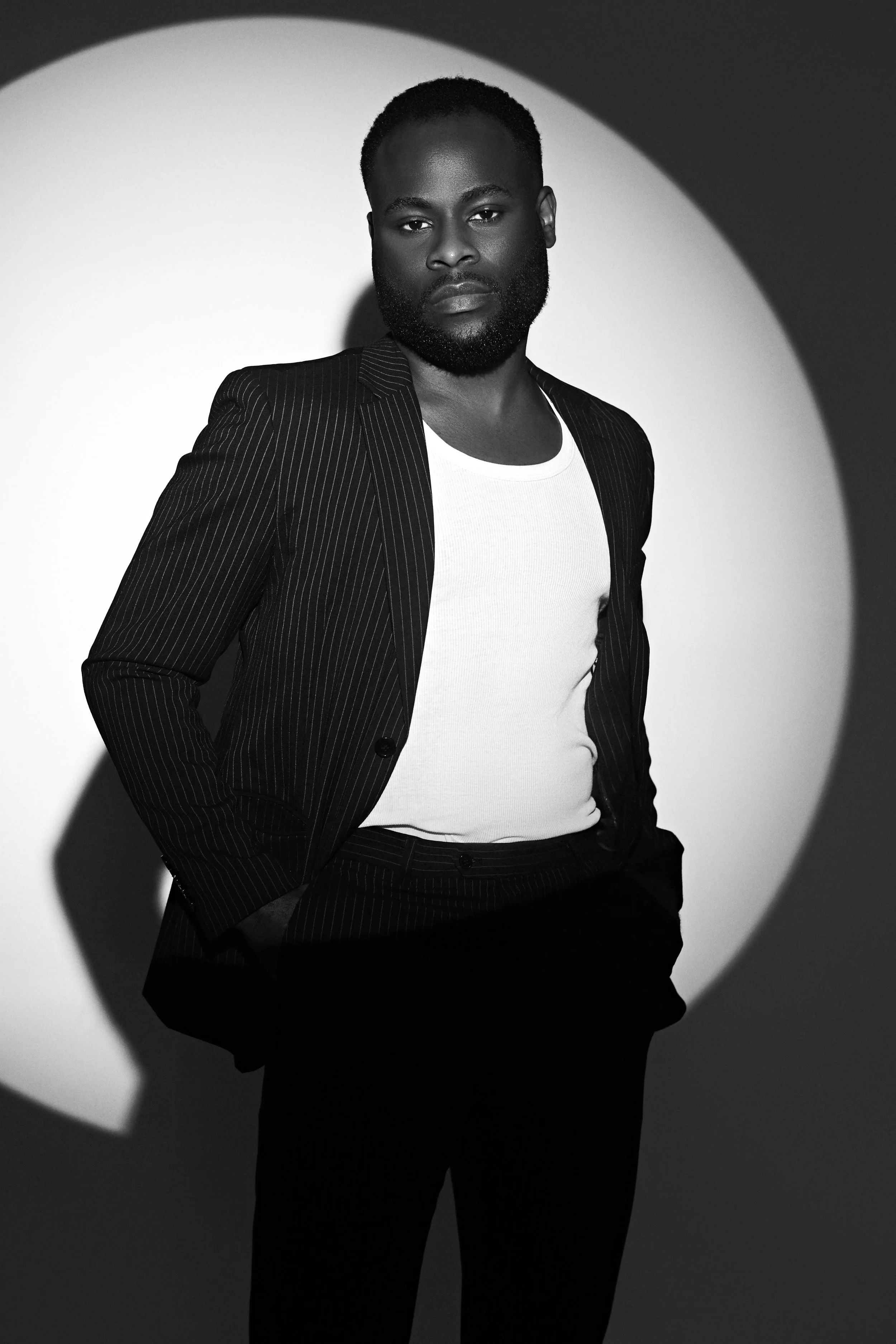
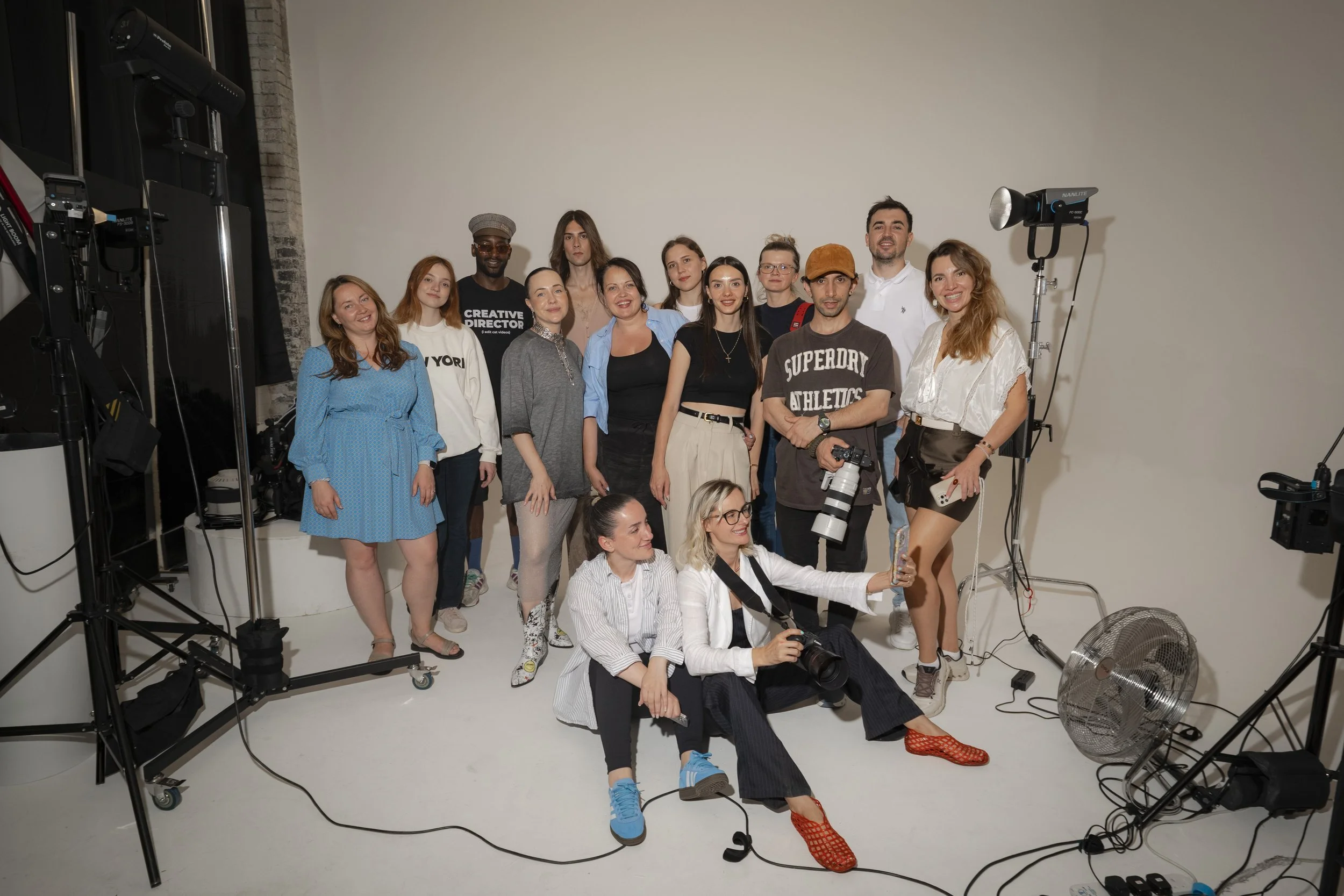
A group picture of the team and some student post workshop!
THE PHILOSOPHY
From a gaffer’s perspective, workshops like these are about removing friction. Simple, repeatable lighting setups allow students to focus on intention rather than troubleshooting. Confidence grows quickly once control replaces guesswork.
What stands out most is how demystifying lighting changes creative decision-making. When students understand why a setup works, rather than just how to turn it on, experimentation becomes productive rather than intimidating. Huge credit to Julia Marse for creating a learning environment that prioritises curiosity and process over perfection, something increasingly rare and incredibly valuable.
If you have any questions on lighting, media production or anything you want to know, do not hesitate to get in touch via my contact page, Instagram or Linkedin. We also have more workshops to look forward to this year!